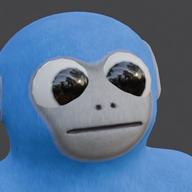
Mastering Gilla VR Quest 3: The Ultimate Multiplayer Horror Survival Guide
Discover the ultimate tips, movement mechanics, map routes, and loot tiers for playing gilla vr quest 3. Survive the abandoned base with our expert guide.
If you are looking to dive into one of the most thrilling cooperative experiences available on Meta Quest headsets, you need to know how to handle gilla vr quest 3 sessions effectively. Stepping into this multiplayer horror adventure requires more than just courage; mastering gilla vr quest 3 demands smart resource management, unique arm-based locomotion, and tight team coordination. Whether you are exploring dark corridors for the first time or trying to survive aggressive monster pursuits, understanding the core mechanics will dramatically improve your survival rate.
Getting Started with Gilla VR on Meta Quest
Released on November 10, 2026, this immersive title has quickly captured the attention of horror fans across the Meta Quest ecosystem. Playing on modern hardware like the Quest 3 provides incredible immersion, but it also means you must master physical movement styles quickly. Before jumping into the deep end of the abandoned base, review the hardware compatibility and basic installation parameters to ensure a smooth first run.
Setting up your play space correctly prevents motion sickness and physical accidents while performing rapid arm movements. According to player experience reports, starting with short play sessions helps your brain adapt to the unique locomotion mechanics without causing severe eye strain or fatigue.
Mastering Movement and Arm Locomotion
Movement is the absolute cornerstone of your survival. Unlike traditional video games where you push a thumbstick to glide, this game requires you to use your hands and arms to physically propel your character through the environment.
Community feedback highlights that practicing these physical maneuvers in open lobby areas before entering high-risk zones drastically reduces panic-induced deaths. Always keep your physical surroundings clear of furniture in your real-world room to prevent hitting walls.
Navigating the Abandoned Base Map
Treating the map like a rigid checklist will usually get your entire team killed. Instead, view the layout as a dynamic web of risk and opportunity where every corridor presents potential hazards.
When navigating these treacherous zones, communication is your strongest weapon. Designate team roles informally before pushing deep into unknown rooms, and always ensure someone is watching the rear flank.
Surviving Monster Encounters and Threats
Encountering hostile entities turns routine looting into high-stakes psychological warfare. According to community reports, staying calm and listening for audio cues can give you vital seconds to react before an attack occurs.
Never split up from your team when you suspect a monster is tracking your squad. A scattered group is much easier for hostile entities to pick off one by one.
Loot Tier List and Resource Prioritization
Managing your inventory space efficiently separates successful runs from total losses. Prioritize your pickups based on immediate necessity rather than arbitrary monetary value.
For more details on official updates and community discussions, you can check out the VRDB Game Page to see how the title ranks among other virtual reality releases.
Frequently Asked Questions
What is Gilla VR on Meta Quest?
Gilla VR is an intense multiplayer VR horror game designed for Meta Quest headsets. Players use arm-based ape movements to explore an abandoned base, gather vital resources, complete objectives, and evade terrifying monsters while working toward a safe team extraction.
Is Gilla VR multiplayer?
Yes, the core experience is built entirely around cooperative multiplayer horror runs. Team coordination, resource sharing, and staying together during extraction are essential for long-term survival.
How does movement work in Gilla VR?
Locomotion relies entirely on physical arm controls. You push off the ground with structured strokes, climb structures using alternating grips, and build momentum before executing jumps. Beginners should start slowly and adjust comfort settings to prevent motion sickness.
When did Gilla VR release for the Quest 3?
The game officially launched on Meta Quest platforms on November 10, 2026, offering full optimization and compatibility across Quest 2, Quest 3, Quest 3S, and Quest Pro devices.
Related Guides
Exploring Gilla VR Oculuṣ: Everything You Need to Know About the New VR Phenomenon
Discover everything about gilla vr oculus, from immersive gameplay features to community updates, headset compatibility, and tips for virtual reality fans.
Exploring New Horizons: A Deep Dive Into Gilla VR Quest 2 Gameplay and Community Trends
Discover the latest trends, gameplay features, and community highlights for gilla vr quest 2. Explore virtual reality gaming today.
Why Gilla VR Steam Availability Matters for Headset Users
Explore the current status of gilla vr steam availability, platform exclusivity, and what player reports say about playing on different VR systems.